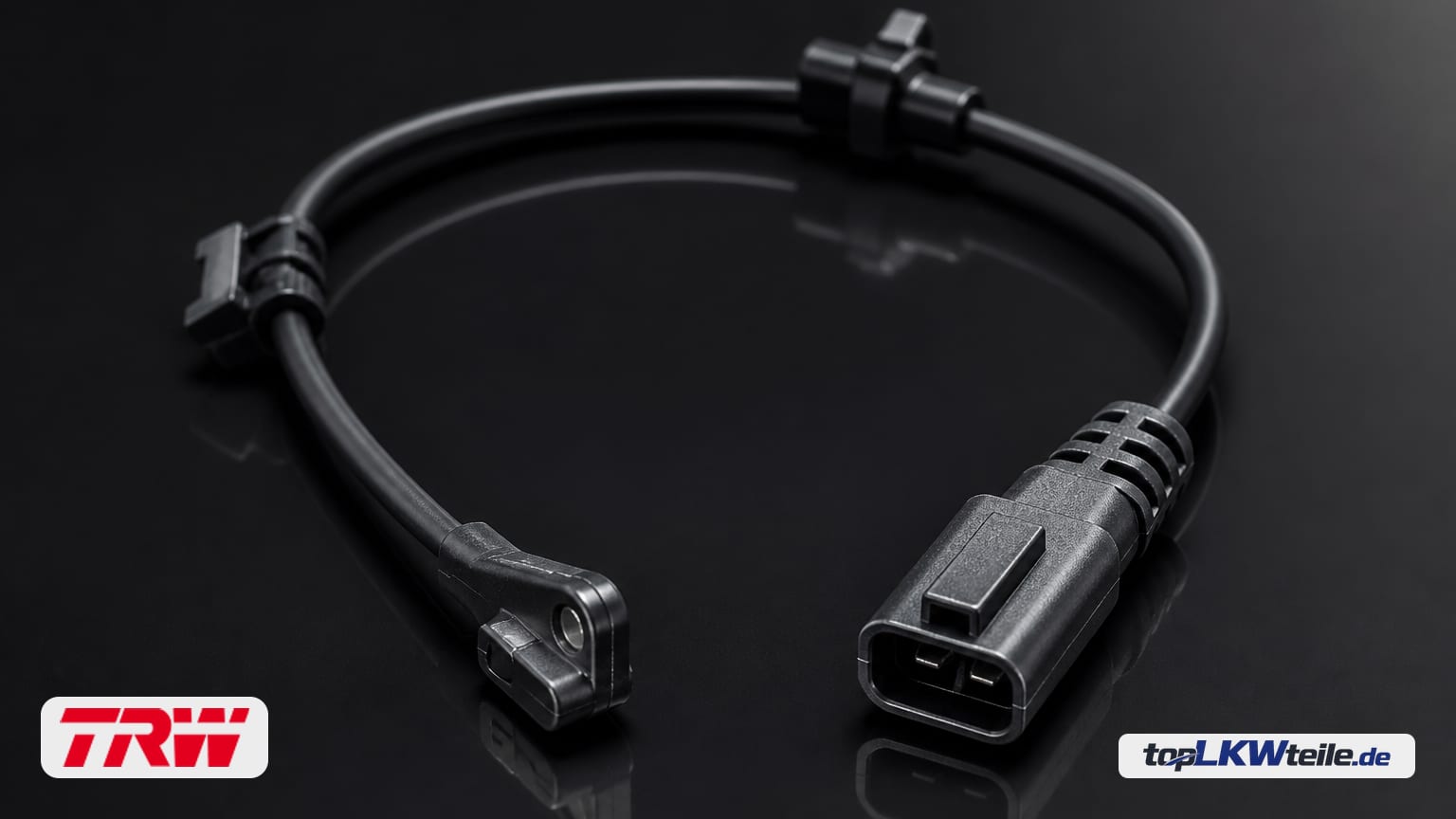
Why the TRW brake pad wear sensor matters
In commercial transport, consistent braking performance is non-negotiable. The TRW brake pad wear sensor provides a timely signal when pads approach their limit—before performance drops and components are stressed. As a brand-quality component within the braking system group, it integrates cleanly and delivers dependable alerts you can act on.
Who needs it and when to replace
This sensor is fitted to many vans, buses and trucks where factory pad wear indication is present. Replacement is typically due when pads are being renewed, when a warning appears in the instrument cluster, if the harness or connector shows physical damage, or after brake work where the lead may have been strained. Replacing the TRW brake pad wear sensor together with new pads helps ensure accurate monitoring throughout the next pad life.
Common replacement triggers
Consider a new sensor if warnings are inconsistent (for example, a warning with fresh pads or no warning with visibly worn pads), if the cable sheath is chafed or broken, or if the connector housing or latch has suffered heat or impact damage. These are practical signs the sensor’s integrity has been compromised.
Key advantages and quality highlights
The TRW brake pad wear sensor stands out for precise signaling, robust materials and a secure connector design. The flexible lead routes neatly along the original clips and tolerates vibration, moisture and temperature swings near the wheel end. As a brand-quality part, it fits properly without improvisation. Our product page also provides OE cross-reference numbers so you can quickly confirm the match to the original part.
Symptoms of a worn or faulty sensor
Unlike a pad, a sensor doesn’t wear away by design, but it can age or get damaged. Typical symptoms include a warning lamp that stays on despite new pads, no warning despite heavily worn pads, intermittent alerts, or visible issues such as cracked insulation or a broken plug. Any of these cues warrant inspection and, if needed, replacement of the TRW brake pad wear sensor.
Find the exact match with our vehicle filter
Getting the right part is easy: use our selector to narrow by HSN/TSN or by make, model and engine. The results focus on your specific vehicle. For added peace of mind, OE cross-reference numbers are listed on the product page so you can double-check compatibility before ordering. This saves workshop time and avoids returns.
Installation and maintenance tips
Work on braking systems should be performed by qualified personnel and in line with the vehicle manufacturer’s guidance. When installing the TRW brake pad wear sensor, route the cable without tension, use the original clips and tie points, and keep it clear of sharp edges and moving parts. Grip connectors by the housing rather than the cable, and keep contacts clean and dry. Complete a visual check after mounting and verify that the wear indicator functions correctly. As part of routine pad inspections, include the sensor’s condition in your checklist.
Buying advice
Prioritize exact fit. Ensure the connector design and intended position match your vehicle. Brand-grade parts like the TRW brake pad wear sensor deliver reliable alerts and long service life. If your axle uses sensors on both sides, consider preventive replacement in pairs. For fleet operators and workshops, having a spare on the shelf reduces downtime. Even better, the current price point—22.99 € incl. VAT—offers excellent value without compromising quality.
Check availability and order now
Protect uptime and your braking system with proven brand quality. View the TRW brake pad wear sensor in our shop, confirm fitment with the vehicle selector, double-check via OE reference, and order in minutes. Go to the product page: View TRW brake pad wear sensor.